- 1/43 hand built white metal model cars
- info@samsmodelcars.com

Shop

Raw Hide Life Story Richard Hutchins
22nd December 2025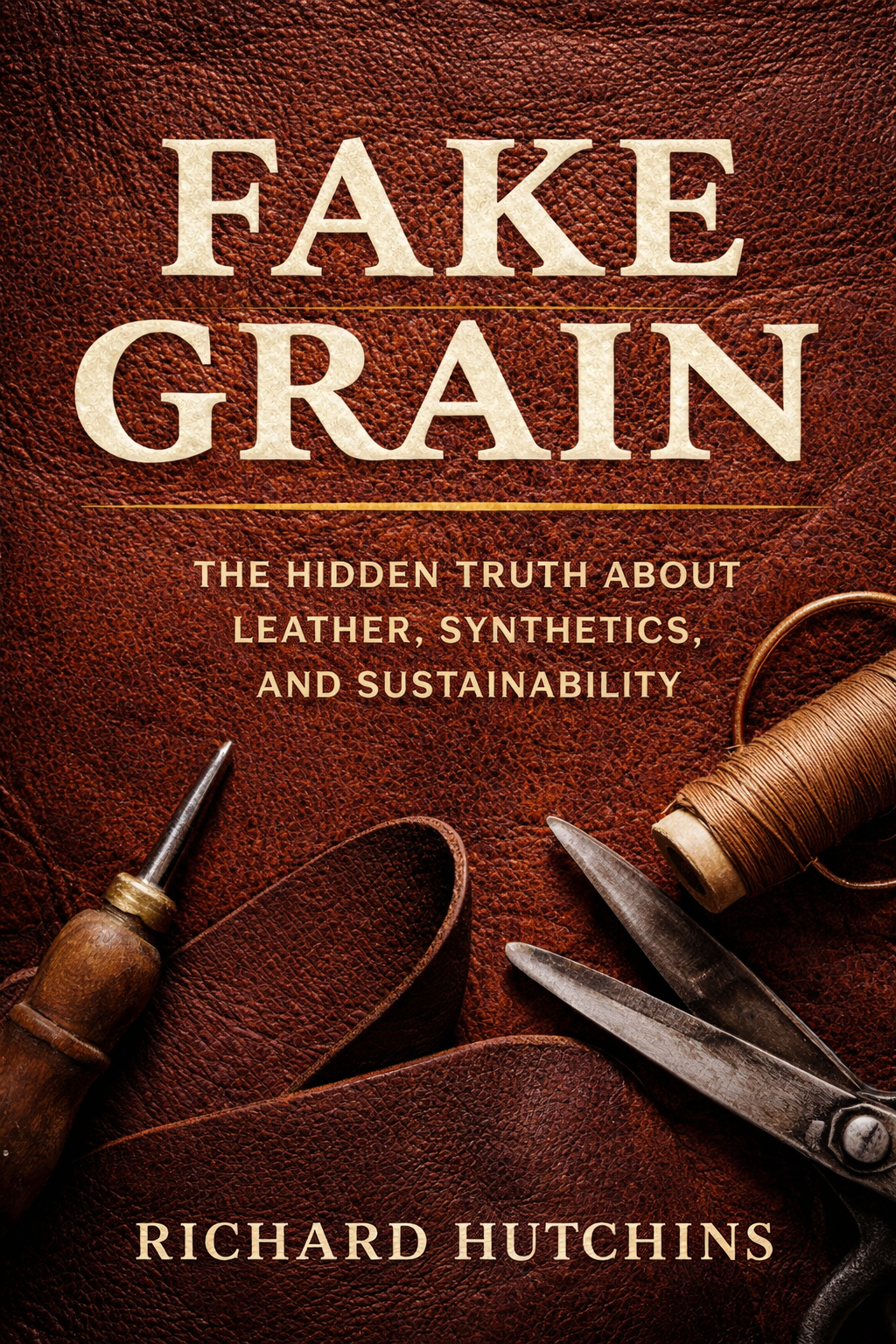
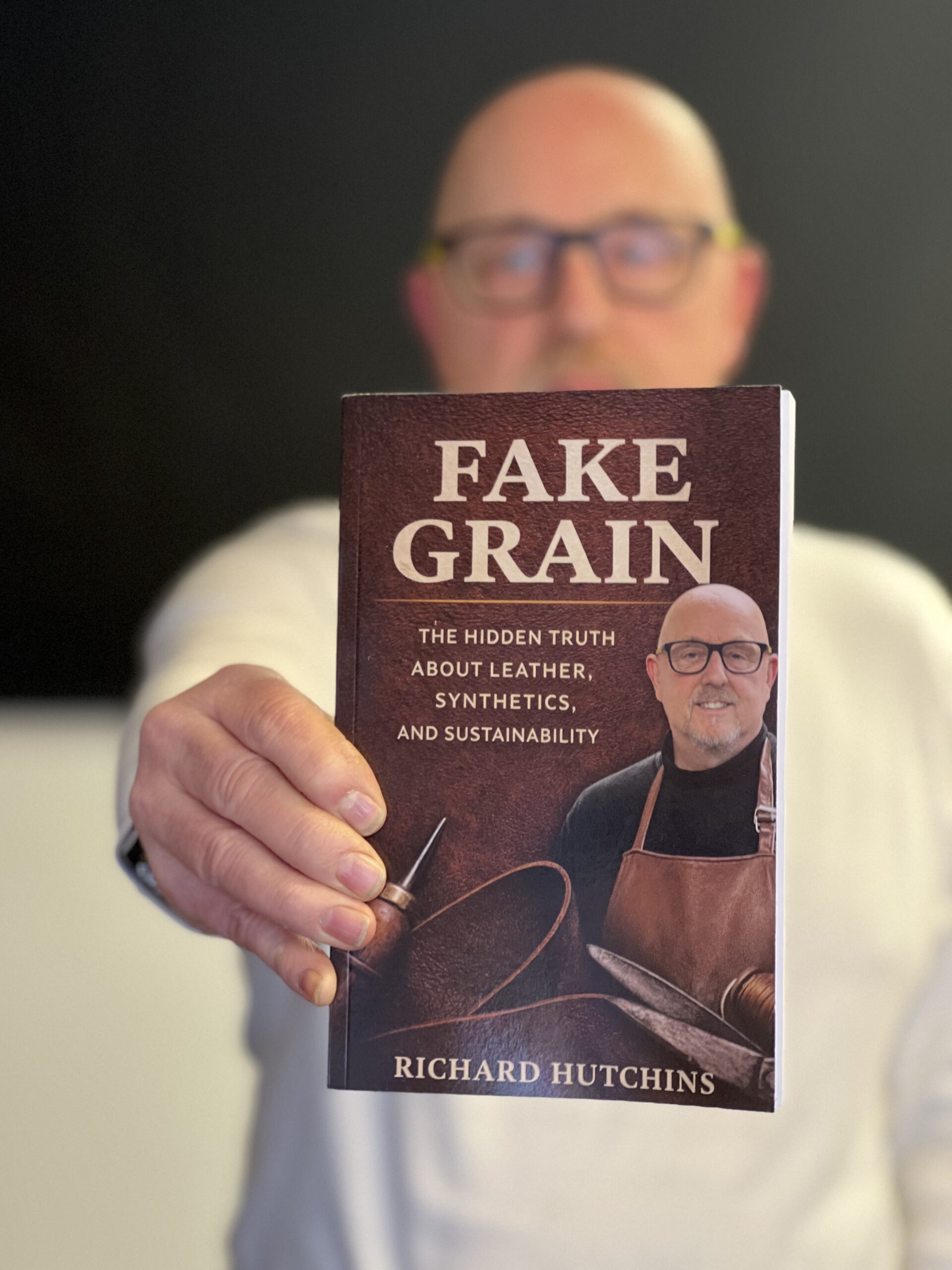
Fake Grain: The Truth About Leather, Synthetics and Sustainability
£12.00
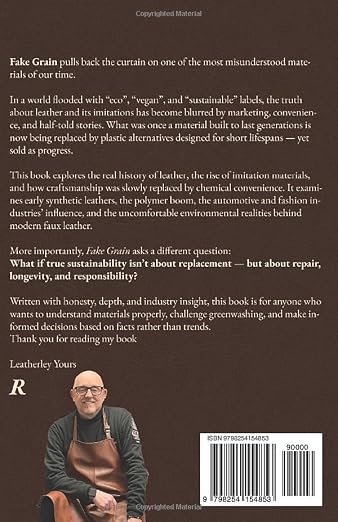
Fake Grain by Richard Hutchins explores leather, synthetic alternatives, vegan leather, greenwashing and sustainability—revealing why durability, repairability and informed choices matter.
Fake Grain: The Truth About Leather, Synthetics and Sustainability
Look beyond the label. Discover the story behind the materials you buy.
What does “vegan leather” actually mean? How do synthetic materials compare with real leather? And when a product is described as sustainable, what should you be asking?
In Fake Grain, Richard Hutchins explores the history of leather, the rise of synthetic alternatives and the marketing claims that influence our buying decisions.
Drawing on decades of experience in leather care, repair and training, Richard examines durability, repairability and the consequences of a culture built around replacement.
For anyone interested in real leather, faux leather, vegan leather and material sustainability, this book offers a direct, thought-provoking perspective.
What Is Fake Grain About?
Fake Grain explores how we judge materials—and how the language used to sell them can shape our understanding.
From traditional leather craftsmanship to modern polymer-based alternatives, Richard follows the development of imitation materials and questions what consumers are told about their environmental credentials.
The book asks readers to consider more than a product’s appearance or its label. How long will it last? Can it be maintained? Can damage be repaired? What happens when it reaches the end of its useful life?
These questions connect leather care and restoration with a much wider discussion about responsible purchasing, manufacturing and waste.
Real Leather, Faux Leather and Vegan Leather: Look Beyond the Names
Understanding the difference between leather and its alternatives starts with understanding the material itself.
Fake Grain examines genuine leather alongside synthetic materials such as polyurethane (PU) and polyvinyl chloride (PVC), exploring their history, uses and the claims made about them.
It also challenges readers to look more closely at the term “vegan leather”. An animal-free description tells you something about a material, but evaluating its sustainability requires further questions about composition, manufacture, lifespan and disposal.
Richard’s focus is transparency: helping readers think critically about what they are buying and why.
Why Durability and Repairability Deserve More Attention
A purchase continues to have consequences long after it leaves the shop.
In Fake Grain, Richard explores the importance of durability, leather maintenance, repair and product longevity. He considers what is lost when repairable items are replaced and when material choices are judged mainly by fashion or marketing.
For leather technicians, detailers, furniture professionals and anyone interested in restoration, these subjects will feel familiar. For consumers, they offer another way to assess value beyond the initial price.
The book encourages a closer look at how products perform over time—and whether keeping an item in use receives enough attention in sustainability discussions.
Greenwashing, Material Claims and Consumer Choice
Words such as “green”, “ethical” and “eco-friendly” can sound reassuring. But what information sits behind them?
Fake Grain explores greenwashing in fashion, automotive interiors and consumer goods, questioning how environmental messages are presented and understood.
Richard argues for clearer information about materials and their limitations. His perspective invites readers to examine the evidence behind a claim rather than accept a familiar phrase at face value.
The aim is to encourage informed questions about the products we use every day, from handbags and jackets to furniture and vehicle interiors.
Who Should Read Fake Grain?
Fake Grain is written for curious consumers and professionals who want to explore the choices behind modern materials.
It will particularly interest:
- Leather care, repair and restoration professionals.
- Automotive detailers and vehicle interior specialists.
- People working with furniture, upholstery, fashion and accessories.
- Readers interested in synthetic leather, material longevity and sustainability.
- Anyone who wants to question environmental marketing claims before buying.
You do not need to work in the leather industry to engage with its central question: do we understand the materials we are choosing?
About Richard Hutchins
Richard Hutchins is the author of Fake Grain and a founder of LRC, the Leather Repair Company.
His experience spans leather care, restoration, product development and professional training. Working with leather across different applications has shaped his interest in how materials age, how they can be repaired and how their value is explained.
In Fake Grain, he brings that practical perspective to the debate around leather, synthetic alternatives and sustainability.
Frequently Asked Questions
Is Fake Grain a leather repair manual?
Fake Grain focuses on leather, synthetic materials, sustainability and consumer understanding. It explores the wider issues surrounding material choice rather than providing a step-by-step repair course.
Does the book discuss vegan leather?
Yes. It examines synthetic alternatives and the terminology used to market them, including vegan leather, alongside questions about material composition and environmental claims.
Does Fake Grain cover PU and PVC leather alternatives?
Yes. Polyurethane and polyvinyl chloride are among the synthetic materials discussed as part of the book’s exploration of imitation leather.
Is the book suitable for people outside the leather industry?
Yes. Its themes connect with everyday purchasing decisions, including clothing, accessories, furniture and automotive interiors.
Where can I buy Fake Grain?
You can purchase the book through Amazon using the link below.
Read Fake Grain by Richard Hutchins
Before your next purchase, take a closer look at the material behind the marketing.
Explore leather, synthetic alternatives and sustainability through the perspective of someone who has spent decades working with the materials themselves.
Leatherley Yours
R
Related Products
-
1956-58 Bond Model E Top Up
Price range: £89.00 through £99.00 -
1964 Trojan Van 200
Price range: £45.00 through £89.00

